
What Is Plantar Fasciitis? Approaching Heel Pain
· Orthopaedic Rehabilitation
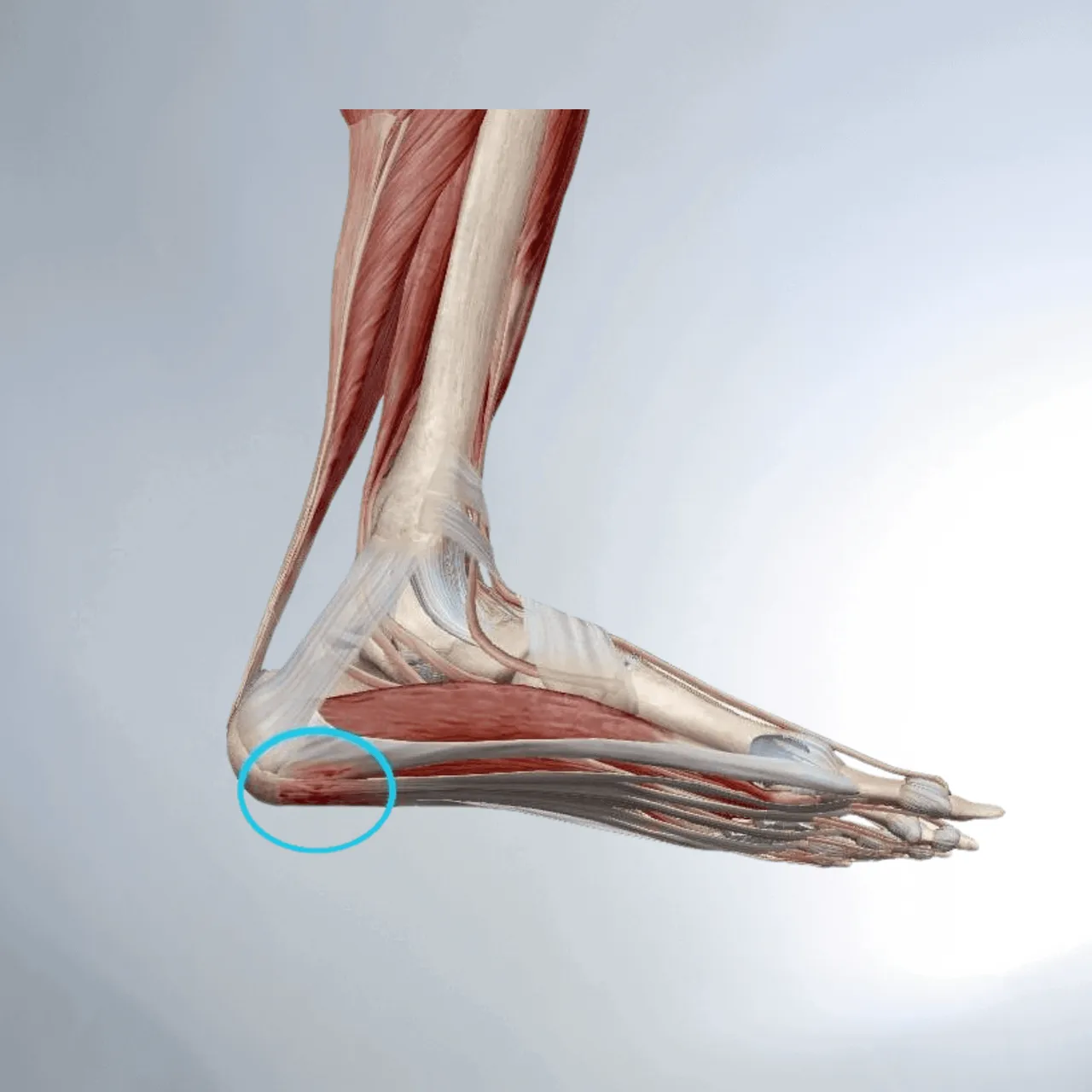
Plantar fasciitis is one of the most common causes of heel and foot pain. It occurs when the thick band of connective tissue on the sole of the foot (the plantar fascia), which runs from the heel to the toes, becomes irritated and painful. The plantar fascia is an important tissue supporting the arch of the foot.
Plantar fasciitis and heel spurs
A heel spur is a bony growth that forms where the heel bone attaches to the plantar fascia. The loading and irritation caused by plantar fasciitis can, over time, contribute to a heel spur developing in this area. A heel spur is usually not painful on its own; the pain that is felt generally comes from the plantar fasciitis.
Symptoms
- Pain near the heel, on the underside of the foot
- Pain or tightness in the arch of the foot
- Pain that is worse with the first steps in the morning or after long periods of sitting, and eases after a few minutes of walking
- A sharp, knife-like sensation when pressing on the heel
Causes and risk factors
The plantar fascia supports the foot while walking and running; when overloaded, small tears can form on its surface. The main risk factors are:
- Increasing training intensity too quickly, or high-impact activities
- Standing for long periods on hard surfaces
- Shoes with poor support or insufficient cushioning
- Flat feet or high arches, tight calf muscles
- Excess weight and being between the ages of 40 and 60
Diagnosis
The diagnosis is made through the person’s history and an examination of the foot. Foot structure, tenderness around the heel and range of movement are evaluated. Where needed, imaging may be requested by a physician to rule out a heel spur, a fracture or other conditions.
Approach and recommendations
In plantar fasciitis, non-surgical methods usually come first:
- Reducing the load: Temporarily cutting back the activities that worsen the pain; low-impact options such as cycling or swimming instead of running.
- Stretching exercises: Stretches for the calf and the sole of the foot help the plantar fascia to release.
- Cold application: Brief cold application to the painful area.
- Suitable footwear and insoles: Shoes with good cushioning and arch support, and custom insoles where needed.
At our clinic, physiotherapy for plantar fasciitis includes stretching and strengthening exercises along with treatments that support foot and calf function. In most cases, these methods bring noticeable relief over time. If the pain lasts longer than a month or interferes with daily life, it is worth seeing a health professional for an assessment.
If you have ongoing heel pain, you are welcome to contact us for an assessment.