
What Is Manual Therapy and When Is It Used?
· Manual Therapy
Musculoskeletal pain is one of the most common health problems of modern life. Long hours of desk work, inactivity and poor loading habits can trigger lower back, neck, shoulder and back pain. Manual therapy is a hands-on approach applied by physiotherapists in addressing these kinds of conditions.
What is manual therapy?
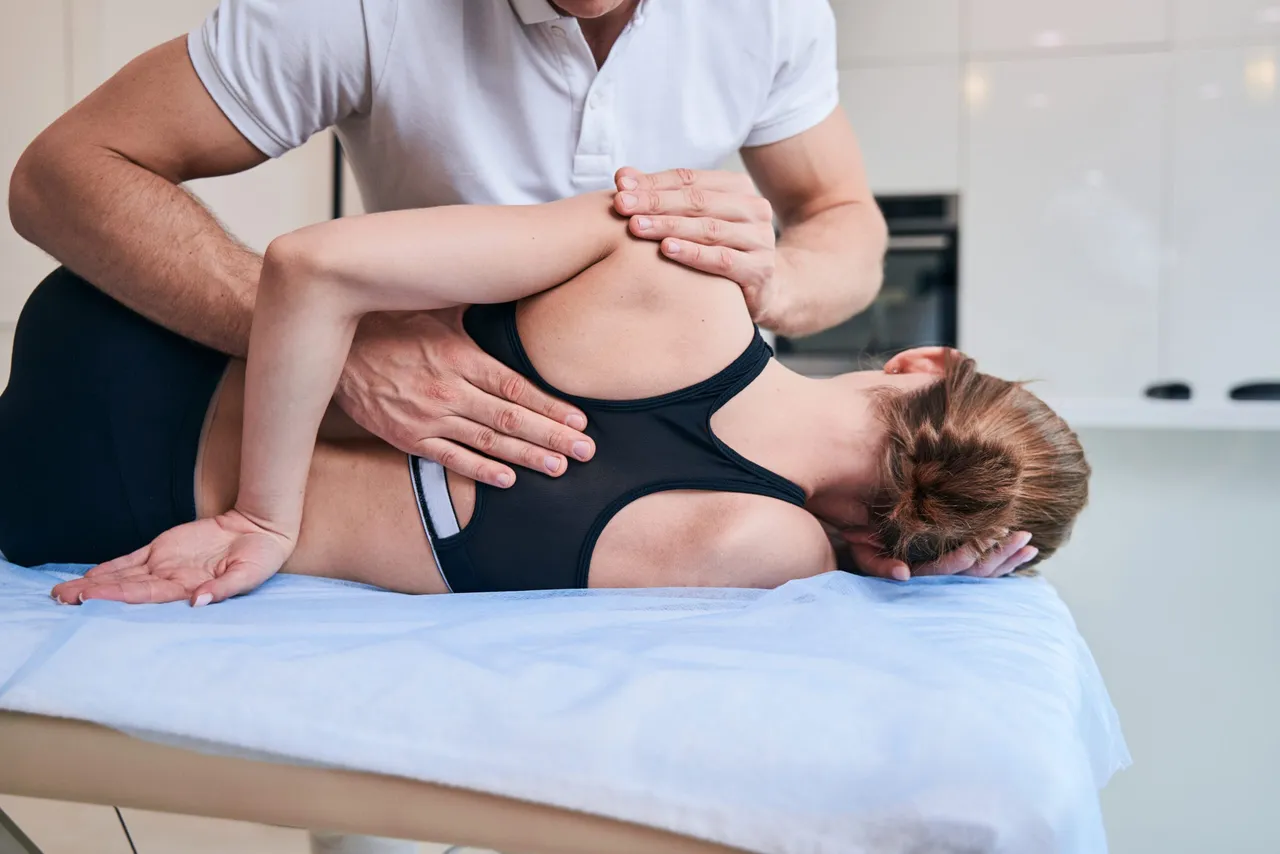
Manual therapy literally means “treatment applied by hand”. It covers assessment and treatment techniques applied by hand to the joints, muscles, ligaments and nerve tissues. The core aims are to reduce pain, increase joint range of movement, support muscle balance and restore functional movement.
The techniques most commonly used in manual therapy are:
- Mobilisation: Rhythmic, controlled movements that support the movement of a joint.
- Manipulation: Addressing restriction with faster, more specific joint movements.
- Soft tissue techniques: Releasing muscle, ligament and fascia and supporting circulation.
When is it used?
Manual therapy is not aimed at a single problem; it is a versatile approach that can be applied, after assessment, in many musculoskeletal conditions. Its main areas of application are:
- Lower back and neck pain (muscle spasm, posture-related pain, mechanical complaints)
- Shoulder, elbow and wrist problems (conditions such as frozen shoulder, tennis elbow and carpal tunnel)
- Posture problems that develop in people who work at a desk for long periods
- Sports injuries involving muscle strains and joint stiffness
- Supporting headaches linked to neck-related tension
How does it work?
Manual therapy takes effect through both mechanical and neurophysiological pathways: it supports joint mobility and soft tissue flexibility, modulates the perception of pain through signals to the nervous system, and helps daily activities feel easier. Scientific studies have reported that manual therapy contributes to functional gains, particularly in lower back and neck pain.
Is it enough on its own?
Manual therapy is usually more supportive when planned not on its own, but together with an individualised exercise programme and ergonomic adjustments. Exercise plays an important role in maintaining the gains achieved through hands-on techniques.
Our approach at our clinic
In manual therapy, the same technique is not applied to everyone; suitable techniques are chosen according to your clinical findings. The process therefore begins with a detailed clinical assessment. At our clinic, manual therapy is treated as part of an individually planned physiotherapy programme. For details, see our Manual Therapy page.
If you have ongoing pain or restricted movement, you are welcome to contact us for an assessment.