
Heel Spurs: Causes, Symptoms and Treatment
· Orthopaedic Rehabilitation
A heel spur is a bony protrusion that forms on the underside of the heel bone as a result of calcium build-up. On an X-ray image, this protrusion can extend forwards. A heel spur does not always cause pain; when it does, it is most often seen together with plantar fasciitis.
Causes
A heel spur forms as calcium builds up under the heel bone over time, a process that usually takes months. The main causes are:
- Repeated strain on the muscles and ligaments of the foot
- Overstretching of the plantar fascia
- High-impact activities such as running and jumping
Risk factors include gait problems, running on hard surfaces, shoes with poor arch support, excess weight, older age and standing all day.
Symptoms
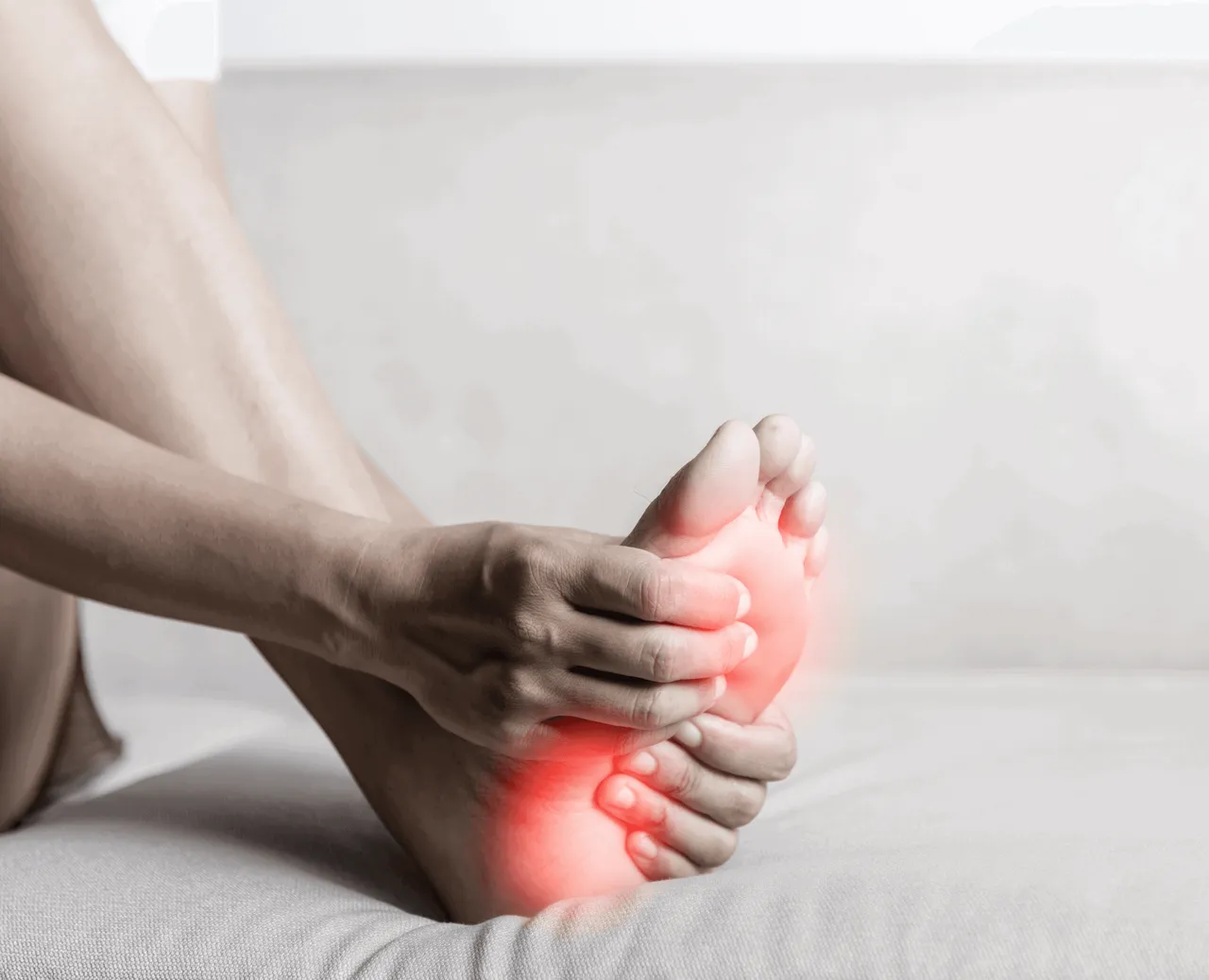
A heel spur is often symptom-free. When irritation develops in the area, sharp or persistent pain may be felt while walking or jumping. The pain generally comes not from the spur itself, but from the soft tissue irritation accompanying it. Many people describe a knife-like sensation under the foot with the first steps in the morning; during the day this can turn into an ache, and it can flare up again after sitting for a long time.
The non-surgical approach
Pain from a heel spur and plantar fasciitis does not always settle with rest alone. The leading methods are usually non-surgical options:
- Stretching exercises and calf stretches
- Suitable footwear recommendations and orthopaedic insoles
- Taping to support the muscles and tendons
- Physiotherapy treatments
- Night splints
At our clinic, physiotherapy for heel spur-related pain includes stretching and strengthening exercises along with treatments that support foot and calf function. If your pain lasts longer than a month, it is advisable to see a health professional.
Prevention
- Choose shoes with shock-absorbing soles and good heel support.
- Warm up and stretch before activity.
- Increase training intensity gradually.
- Avoid worn-out shoes; if you carry excess weight, weight management also reduces the risk.
If you have ongoing heel pain, you are welcome to contact us for an assessment.